
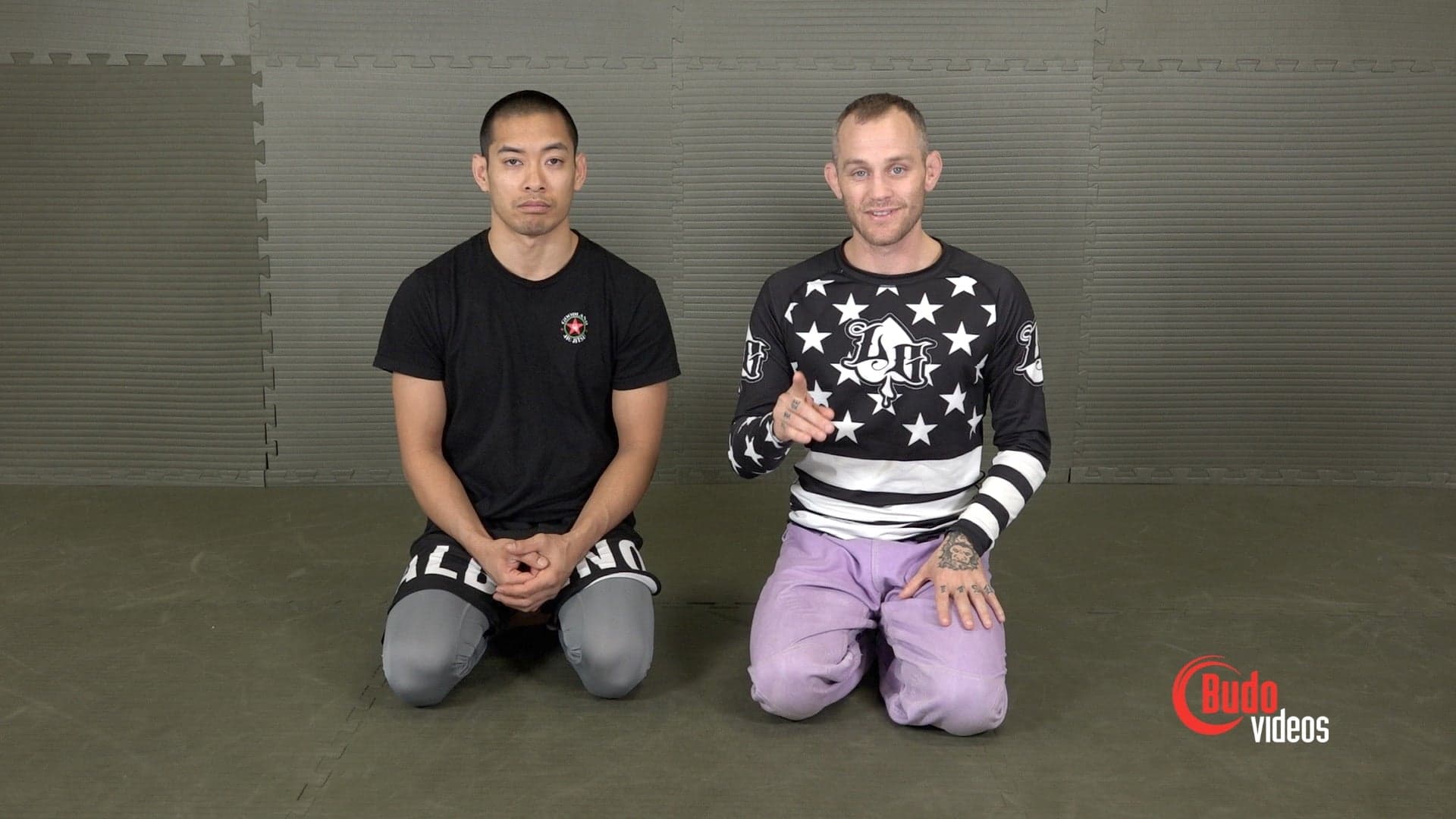
Jeff Glover: unusual positions, serious competition
Quick answer: Jeff Glover's unusual grappling belongs beside his competitive record, including bronze at the 2011 ADCC World Championship. His deep-half teaching and the Glover's Travels series offer different ways into that career. Watch beyond the memorable shape of a position to see the competitive and instructional work underneath it.
Third place at ADCC is a useful place to begin with Jeff Glover. It keeps the conversation attached to a result before the unusual positions take over.
Glover can be introduced through deep half guard, donkey guard, or the old videos of him visiting other academies. Each introduction catches something real. None is quite enough on its own to explain why his name remains worth looking up.
The bronze medal gives the discussion a floor
The official 2011 ADCC results list Glover third in the men's under-66-kilogram division. Rafael Mendes won gold, Rubens Charles took silver, and Robson Moura finished fourth. The event was held in Nottingham.
That is a specific achievement in a specific field. It does not need to become an argument that Glover was secretly the best athlete in the bracket. Bronze means bronze, and it is substantial enough without a rewritten ending.
For a viewer meeting him through an odd-looking clip, the result changes the starting assumption. There is an established competitor to examine, not merely a novelty act to explain. The interesting question becomes how his choices functioned against skilled opposition.
A result sheet cannot supply the mechanics of every exchange. It can keep a profile honest about the level being discussed. Begin there, then use match footage and instruction to investigate the positions. The medal provides context; it does not relieve the viewer of looking closely.
Fourth place came before third
Two years earlier, the 2009 ADCC results placed Glover fourth at under 66 kilograms. Mendes and Charles occupied the top two places there as well, with Ryan Hall taking bronze.
The two records are worth reading together because they show repeated presence near the end of a difficult division. They also prevent an easy compression of the career into one successful weekend. Glover's name appears across editions, with a different final position each time.
The change from fourth to third is not a complete explanation of improvement. Results alone cannot tell us what changed in training or which private decisions mattered. They establish the sequence without supplying a motivational speech to go with it.
Hall offers an interesting neighboring story for readers drawn to specialists and unusual positional problems. The Ryan Hall profile follows that separate career. Their names on the same result sheet are a useful connection, not a reason to pretend their approaches were interchangeable.
Deep half is a subject with chapters
Glover's teaching catalogue provides a quieter counterweight to the clips. The listed curriculum for Deep Half Guard Evolution includes entries, sweeps, back takes, troubleshooting, and work from the top against the position. That is a course outline, not proof that every viewer will reproduce the results.
What matters in reading the outline is the amount of work surrounding the recognizable position. There is an entry to establish, an opponent's response to deal with, and an exit or follow-up to understand. The visual label is only the beginning of the subject.
A student can use that distinction when choosing what to study. Instead of collecting another isolated finish, identify the part of the sequence that currently fails. Getting underneath, controlling the exchange, and completing a sweep are different learning problems.
Glover's public instructional material is useful evidence of what he teaches. It should not be treated as an independent ranking of his influence simply because a sales page uses enthusiastic language. The chapter list is more concrete than the superlatives around it.
The unusual guard sits among ordinary tasks
Budovideos' Sweep Dreams curriculum places donkey-guard material alongside work from closed guard, half guard, and other recognizable positions. The course is organized around sweeping rather than around a single strange-looking pose.
That arrangement offers a productive way to think about a distinctive athlete. A memorable position can draw attention, while the larger body of work still concerns familiar grappling tasks: gaining control, changing the relative position, and responding when the first attempt is blocked.
For a viewer, the practical question is what connects the unusual moment to those tasks. Where did the exchange begin? What did the opponent do? What became available afterward? Without those pieces, a clip can be entertaining while remaining difficult to learn from.
There is no need to imitate the most recognizable part of an athlete's game to appreciate it. A reader may take more from the patient explanation of a sweep than from the position most likely to appear in a compilation. Distinctiveness earns attention; the surrounding work determines what that attention can teach.
The camera also went into other rooms
A 2009 Graciemag report on Glover's Travels describes the series visiting academies, including Paragon, Robert Drysdale's school, and Gracie Barra. Glover appeared as a presenter as well as a grappler, with the training room itself becoming part of the material.
That is a different kind of sports record from a bracket. A result sheet reduces a weekend to placements. An academy visit can preserve how a room presented itself, what an instructor chose to demonstrate, and how a visitor moved through the encounter.
Old training videos should still be treated as old training videos. They do not establish a gym's present address, current instructors, or visitor policy. Their value is historical and instructional, not a guarantee that the same arrangements remain available.
For people who enjoy the culture around BJJ, this part of Glover's work broadens the viewing list. The sport has rooms and conversations as well as winners. Looking at that material can make the next match more interesting without requiring every scene to become evidence of a grand philosophy.
An opponent's answer belongs in the story
Glover's unusual choices did not remove the opponent's ability to solve the match. At the first Metamoris in October 2012, Caio Terra submitted him with an armbar. Graciemag's contemporary report records the result and describes an exchange that included a playful tone before the finish.
The loss is useful context because a profile built entirely from successful improvisations can make an athlete seem exempt from ordinary competitive consequences. He was not. The opponent could recognize opportunities, make adjustments, and finish.
That does not make the distinctive style a mistake. It means the style existed inside competition, where another skilled person was trying to win. Both the successful result and the unsuccessful one belong in a serious account.
When studying any athlete, keep the opponent in the frame. Watch what they deny as well as what the featured athlete attempts. A complete exchange is more informative than a collection in which the other person exists only to be surprised. The losing footage may clarify a problem the winning clip conceals.
Watch the sequence before borrowing the idea
A useful viewing session can be small. Choose one complete match or a focused piece of instruction, then stay with a single positional question. You do not need to explain Glover's entire career before learning to recognize what he is attempting.
A few prompts keep the viewing grounded:
Identify the starting contact before the unusual movement.
Track the opponent's response rather than only the featured athlete.
Notice whether the exchange produces a new position, a reset, or a finish.
Separate what the footage shows from what the commentary assumes.
Take a question to your coach before trying an unfamiliar position in live training. The coach can help decide whether it fits your experience and how to examine it with a partner. Appreciation does not require immediate imitation.
The guide to training with constraint games offers one way to turn a narrow question into controlled practice. Use it to investigate a manageable piece of the exchange, not to declare that an unusual-looking movement is automatically the next thing your whole game needs.
Main photo: Budovideos; Sweep Dreams instructional photograph.
The takeaway
Glover's career is more substantial when the memorable positions stay attached to the record. Fourth at ADCC in 2009, bronze in 2011, technical teaching, academy visits, and matches that ended in defeat all contribute different evidence. None needs to erase the others to make him interesting.
Start with the results, then watch the connections between positions. That approach leaves room to enjoy the unusual moments while taking the grappling seriously. It also gives an ordinary student something more useful to bring to class than a pose remembered from a short clip.
Study an idea in a real training room
Find instruction through the gym directory, and bring your coach one specific question from the footage you have been watching.
FAQ
Did Jeff Glover win an ADCC medal? Yes. ADCC's official 2011 results list him as the bronze medalist in the men's under-66-kilogram division. Rafael Mendes won that division, with Rubens Charles second and Robson Moura fourth.
What was Glover's ADCC result in 2009? He finished fourth in the under-66-kilogram division. Ryan Hall took bronze, while Mendes and Charles finished first and second. Those placements are recorded in ADCC's official event results.
What is Jeff Glover known for teaching? His published instructional catalogues include deep half guard, sweeping, and donkey-guard material. Examine the actual curriculum and prerequisites rather than treating a distinctive position's reputation as enough reason to study it immediately.
What was Glover's Travels? It was a series featuring Glover visiting and training at other academies. Contemporary coverage in 2009 describes visits including Paragon, Robert Drysdale's school, and Gracie Barra. Treat those episodes as historical material rather than current gym listings.

Miles Serrano
Miles Serrano writes about competitors and the decisions that shaped their careers. He is more interested in the adjustment someone made in the third minute than in the medal count afterward.
Related Posts
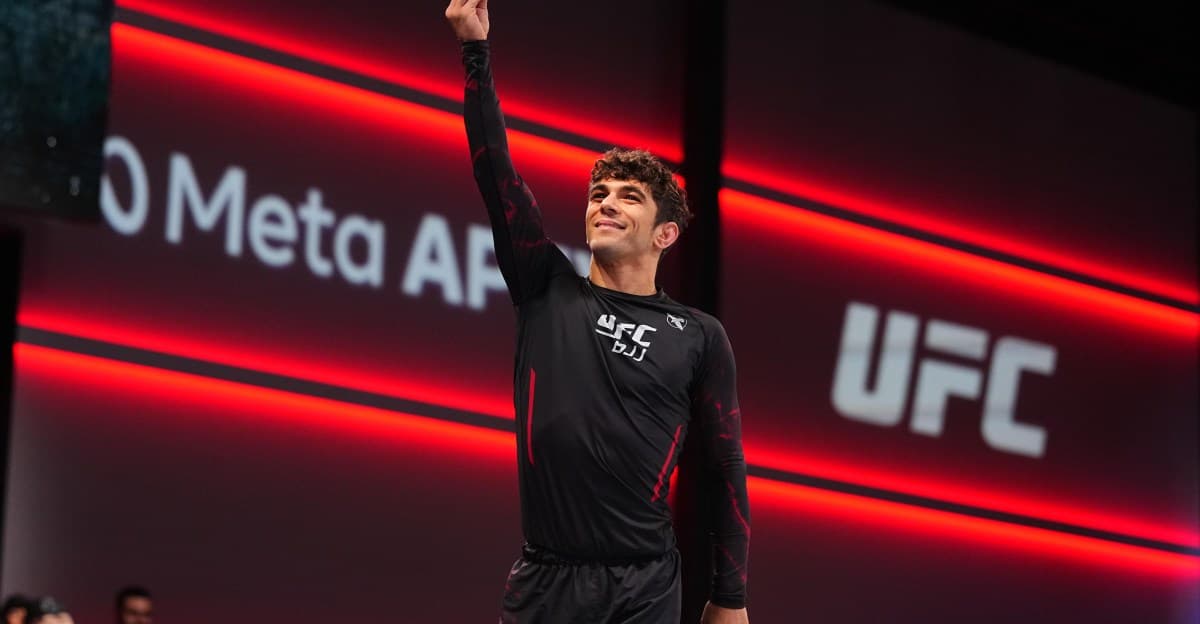
Mikey Musumeci gives up the belt to make room for MMA
Musumeci is vacating his UFC BJJ title to focus on MMA training. What he is leaving, what continues, and why the transition matters.
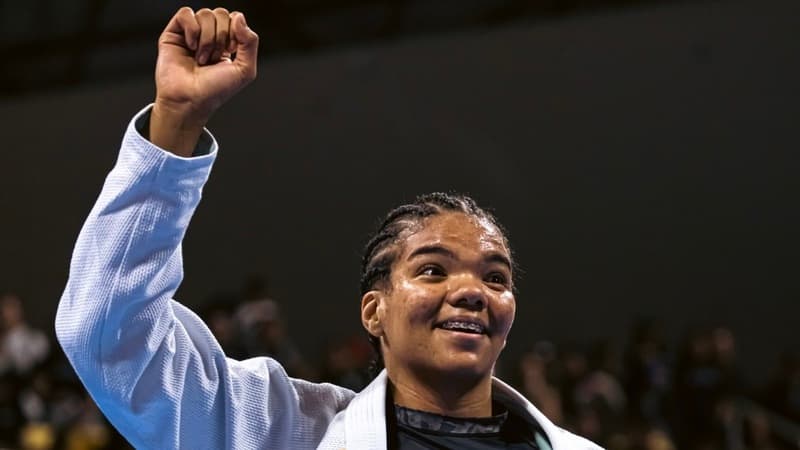
IBJJF membership: finish the paperwork before the deadline
IBJJF membership and tournament entry are separate steps. Plan documents, professor approval, renewals, and junior accounts before registration closes.
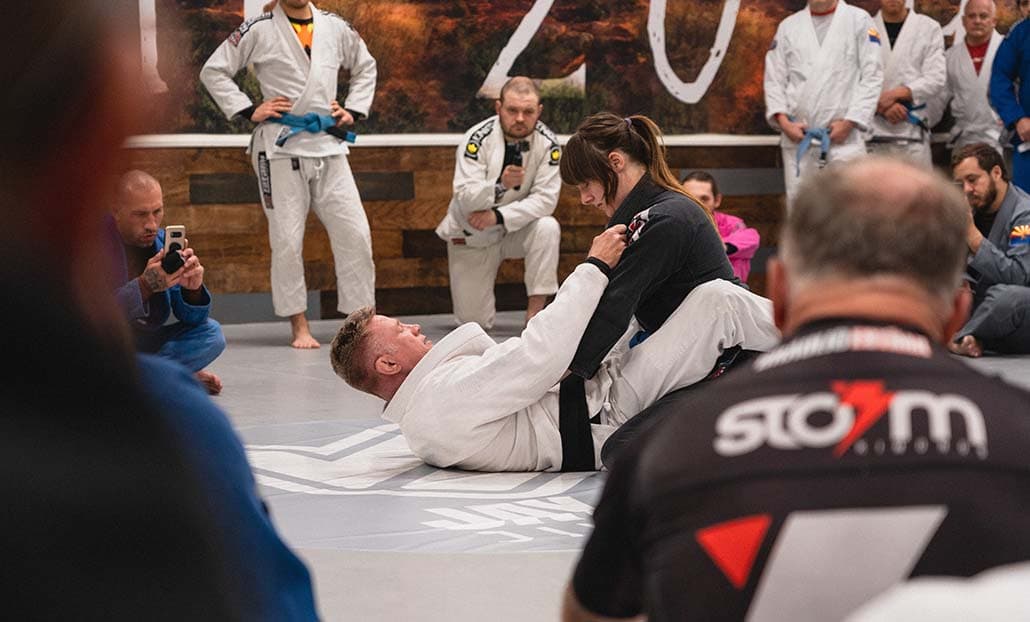
Choosing a BJJ seminar worth your time and travel
Choose a BJJ seminar by the subject, teaching format, access, and total cost. Know what to ask the host before buying a ticket.
Comments (0)
Loading comments...