
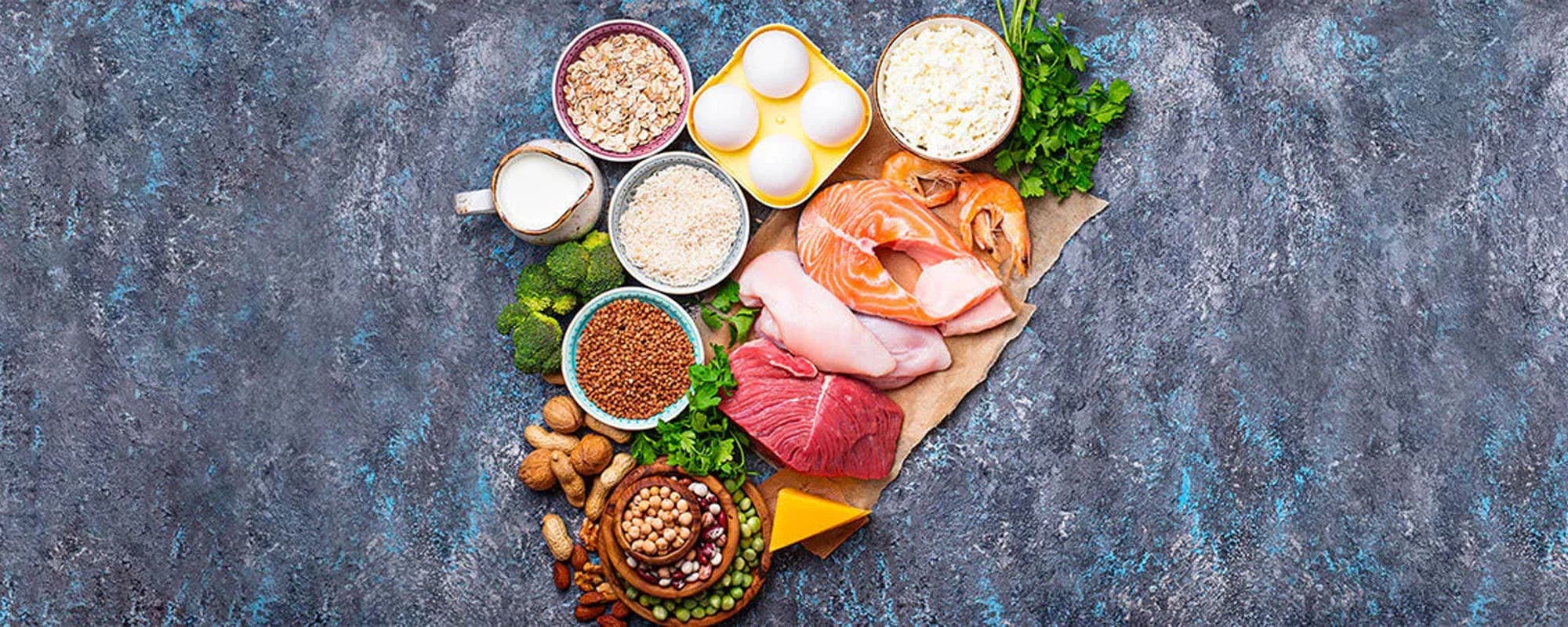
Eating for BJJ when you train at 6am or 8pm and have a job
Quick answer: Eat a normal meal three to four hours before class, and something small and mostly carbohydrate if you're inside an hour. After training, the 30-minute "anabolic window" is not a real deadline — what matters is hitting your protein for the day, which for a hard-training grappler is roughly 1.4 to 2.0 grams per kilogram of bodyweight according to the ISSN position stand. Drink enough that you're not losing more than about 2% of your bodyweight in a session. And if you cramp, the cause is probably fatigue, not a salt deficiency.
Class ends at 9:15. You're home by 9:40, still too warm to sit down, wired from the last round, and completely uninterested in food. So you don't eat. Bed at 11, last meal a burrito at 5:30, and when the alarm goes at 6:40 you feel like you slept under a truck.
That's the actual nutrition problem in jiu-jitsu. Not macros. Not whether rice is good for you. The schedule.
Almost every article about eating for training assumes you lift at 4pm on a flexible schedule. Grapplers train at 6am before work or 8pm after it, get home late, sleep badly, and do it again. What follows is how to eat around that. If you want to know what to buy, that's the supplements piece. This one is food and timing.
The problem jiu-jitsu creates that the gym doesn't
Three things stack up. Evening classes end near bedtime. Hard grappling blunts appetite for an hour afterward, exactly when you need to eat. Morning training happens before most people can face food.
The sleep part deserves precision, because "don't train late, it wrecks your sleep" gets repeated constantly and the research doesn't really back it. A 2019 systematic review of 23 studies found evening exercise did not harm sleep overall, and slightly increased slow-wave sleep. The exception was narrow: vigorous exercise finishing within about an hour of bedtime did appear to hurt sleep onset and efficiency.
So the 8pm class isn't the problem. Rolling until 9:15, driving home, and lying down at 9:50 with your heart rate still up is a different thing. Give yourself the hour, and eat during it.
Before class, sorted by how much time you have
Three to four hours out. Eat a normal meal. Protein, carbohydrate, whatever fat and fibre you usually eat. This is the lunch-then-evening-class case, and it needs nothing clever.
Sixty to ninety minutes out. Smaller, and start cutting the fat and fibre, since those slow gastric emptying and you're about to have someone's shin across your stomach. Chicken and rice, not a burger. Oatmeal with whey stirred in works and costs four minutes.
Forty-five minutes or less. Carbohydrate, mostly liquid or easy to chew, 30 to 50 grams. A banana and a sports drink. Rice cakes with honey. One of those apple sauce pouches meant for toddlers, which half the competitors in any bullpen are quietly eating. Skip the shake if shakes sit heavy on you. That's tolerance, not physiology, and you find out in a normal class rather than on a competition morning.
Nothing at all. Fine for one class if you ate a real lunch. People get into trouble skipping lunch, skipping dinner, then doing hard rounds at 8pm on coffee.
One universal rule: whoever eats Chipotle at 5:30 for a 6:30 class learns this exactly once.
The 6am class, and whether to train fasted
Nobody is cooking at 5:15. Realistically you get two options: something small and mostly sugar 20 to 30 minutes before you leave, or nothing.
Half a banana, toast with honey, a few dates, a sports drink in the car. All fine. If you'd rather not, train empty. Fasted training is not the fat-loss lever it gets sold as. A four-week controlled trial by Schoenfeld and colleagues put women on a calorie deficit, had one group train fasted and one fed, and found the same body composition changes in both. The deficit did the work.
What fasted training does affect is how the session feels. Hard rounds are worse without fuel, and the person who gets lightheaded in the fourth round at 6:45am usually hasn't eaten since 7pm. If that's you, the fix is dinner, not whatever you can force down at 5:15.
The 30-minute anabolic window was oversold
You have probably been told you have 30 minutes after training to get protein in or the session is wasted. That idea has been picked apart pretty thoroughly. Aragon and Schoenfeld's review of nutrient timing found that muscle protein synthesis stays high for a day or more after training, and their meta-analysis of protein timing studies concluded that the apparent benefit of immediate post-workout protein was mostly explained by those groups eating more protein overall.
Their practical recommendation is looser and more useful: don't leave more than about three to four hours between the meal before training and the meal after, stretching to five or six if those meals are large and mixed.
Apply that to a real Tuesday. Dinner at 6, trained 7:30 to 9, home at 9:30 with no appetite. You're already inside the window. A shake, Greek yogurt, milk and a banana, anything with 25 to 40 grams of protein in it, closes the day out fine. You don't need to cook chicken at 10pm, and you don't need to skip food because you're not hungry. Liquid calories exist for exactly that state. The rest of the picture is in how to recover after BJJ training.
How much protein a hard-training grappler needs
The ISSN position stand on protein and exercise puts the useful range at 1.4 to 2.0 g/kg of bodyweight per day for people training regularly, and notes that higher intakes of 2.3 to 3.1 g/kg may help hold onto lean mass while eating in a deficit.
Numbers, because per-kilogram figures make people's eyes glaze. A 175-pound grappler is about 79 kg: 110 to 160 grams a day. A 140-pound grappler is about 64 kg: 90 to 128 grams.
On distribution, Schoenfeld and Aragon's 2018 review points to around 0.4 g/kg per meal across at least four meals. For the 79 kg athlete that's about 32 grams, four times: a chicken breast, two eggs plus yogurt, a scoop of whey, a can of tuna.
The failure pattern is always the same. Coffee for breakfast, a sad sandwich at lunch, then trying to eat 90 grams of protein between 9:30 and 11pm.
Water, salt, and the cramp question
The hydration part is simple. The ACSM position stand on fluid replacement sets the target as avoiding a water deficit greater than about 2% of bodyweight. For a 175-pound person that's roughly 3.5 pounds of sweat. Sounds like a lot; a hot room and a heavy gi get you there in a two-hour Saturday session.
Cramps are where folk wisdom gets shaky. Everyone says salt. The research is genuinely contested, and the leading explanation isn't dehydration at all. It's altered neuromuscular control, where fatigue in the working muscle throws off spinal reflex activity and the muscle locks up. The observation that pushed researchers there is simple: cramps happen locally, in the muscle you've been hammering, which is hard to explain with a whole-body electrolyte deficit. Studies in distance runners have repeatedly failed to find hydration or serum electrolyte differences between the athletes who cramp and the ones who don't. Reviews of the evidence land on both mechanisms mattering, with neuromuscular fatigue explaining more.
On the mat: if you cramp in the last two rounds, salt is unlikely to be the fix and conditioning probably is, which makes it a cardio problem rather than a nutrition one. If you're a heavy, salty sweater in a hot room, salt your food and drink electrolytes anyway. It's cheap and it won't hurt. If cramps are new, frequent, happening at rest, or come with weakness or numbness, that's a doctor conversation.
The beer after class
The study people cite is Parr et al. 2014, which found alcohol after exercise cut rates of myofibrillar protein synthesis, even when protein was consumed alongside it. Read the dose before you panic: 1.5 g of alcohol per kg of bodyweight, about twelve standard drinks. That's a night out, not a beer with your coach after Sunday open mat.
Two beers won't undo your training. Twelve will blunt recovery. The cost you'll notice from drinking regularly is sleep quality, and that shows up in Tuesday's rounds.
Two-a-days and competition weekends
This is the one place timing genuinely matters, because you're refilling glycogen before the next effort rather than over the next day.
When the gap between sessions is short, sports nutrition guidance converges on roughly 1.0 to 1.2 g of carbohydrate per kg of bodyweight per hour for the first few hours, in frequent small feedings rather than one enormous meal. For a 79 kg competitor that's 80 to 95 grams an hour, which is more than it sounds. A banana is about 27.
In a tournament bullpen you won't hit that and shouldn't try, because you're eating between matches with no idea when your name gets called. Sip a carbohydrate drink, keep gummies or rice cakes in the bag, eat small and often, avoid anything greasy. No one has ever enjoyed getting stacked in their third match on a burrito from their second.
The takeaway
What fixes most grapplers' eating isn't a protocol. It's protein in the first two meals so the evening isn't a rescue mission, easy carbohydrate in the gym bag for the 45-minute-warning nights, and eating something after evening class even when you don't want to.
Everything else is smaller than people think. The window is hours, not minutes. Total protein for the day beats any single meal inside it. Fasted or fed at 6am is a preference, not a strategy. And the cramp in round six is telling you about round five, not about your electrolytes.
If you're eating in a deficit, dropping a division, or managing a medical condition, get a registered dietitian involved rather than a forum thread. Everyone else: eat lunch, keep bananas in the car, eat after class.
Log the sessions, then look at the pattern
You will not remember whether Thursday felt flat because of sleep, food, or four hard rounds on Wednesday. A record makes it obvious. Track your training with Let's Roll Passport →
FAQ
What should I eat before BJJ class? Three or more hours out, eat a normal meal with protein and carbohydrate. With 45 minutes or less, go with 30 to 50 grams of easy carbohydrate (a banana, rice cakes, a sports drink) and skip the fat and fibre, since those sit in your stomach and jiu-jitsu involves people putting weight on it.
Do I really need protein within 30 minutes of training? No. The "anabolic window" has been reassessed, and total daily protein matters far more than the timing of one feeding. Aragon and Schoenfeld's practical guideline is not to leave more than about three to four hours between the meal before training and the meal after.
How much protein do I need if I train BJJ four times a week? The ISSN position stand recommends 1.4 to 2.0 g per kg of bodyweight per day for people training regularly, roughly 110 to 160 grams for a 175-pound athlete, spread across at least four meals rather than crammed in after evening class.
Why do I cramp during hard rolls, and will salt fix it? Possibly not. Evidence increasingly points to neuromuscular fatigue rather than dehydration or electrolyte loss as the main driver of exercise-associated cramping, largely because cramps appear in the specific fatigued muscle rather than everywhere at once. Hydrating and salting food is still reasonable, but persistent cramping usually reads as a fatigue signal. See a doctor if cramps happen at rest or come with weakness.
Related Posts
Mikey Musumeci gives up the belt to make room for MMA
Musumeci is vacating his UFC BJJ title to focus on MMA training. What he is leaving, what continues, and why the transition matters.
IBJJF membership: finish the paperwork before the deadline
IBJJF membership and tournament entry are separate steps. Plan documents, professor approval, renewals, and junior accounts before registration closes.
Choosing a BJJ seminar worth your time and travel
Choose a BJJ seminar by the subject, teaching format, access, and total cost. Know what to ask the host before buying a ticket.
Comments (0)
Loading comments...