
A BJJ gym newsletter should help you make next week's class
Quick answer: A useful BJJ gym newsletter gives readers the dates, changes, and booking actions they need, with a clear route to current information. Separate ordinary updates from urgent notices and optional promotions. Keep subscription preferences easy to understand so members can choose how they hear from the academy.
The most useful sentence in a gym email may be that Tuesday's class starts half an hour earlier. It is not especially shareable. It is exactly the information somebody needs before arranging childcare and leaving work.
I think the newsletter earns its place there, in the small decisions that let people attend. Academy news can be warm and interesting without making readers scroll through a motivational essay to discover whether their usual lesson is running.
Put the changed fact near the top
Begin with what the reader needs to do differently. A changed class, closure, booking deadline, or visiting instructor should appear with its actual date and location. The story behind it can follow once the practical information is clear.
Use calendar dates rather than relying only on next Tuesday or this weekend. Emails can be read late and forwarded without their original context. A date keeps the instruction attached to the right occasion instead of making the recipient reconstruct when it was sent.
If more than one branch is involved, name the branch beside the change. A teamwide subject line does not establish that every academy uses the same schedule. The people unaffected by the notice should be able to see that quickly.
Our holiday-timetable article explains why an old screenshot can outlive its usefulness. An email should point to the current host-controlled timetable and state whether the message describes a temporary exception or a lasting change.
For example, a hypothetical message about a Saturday seminar can put the date, branch, and booking deadline in its opening lines. A member can then decide whether to reserve before reading the instructor background. If the same email also mentions a Monday closure, give that notice its own heading. One announcement should not borrow the other's deadline or make both look like the same event.
Give every announcement a next action
A seminar announcement needs more than enthusiasm. It needs the date, location, intended audience, and booking route, with the relevant terms easy to find. A competition entry reminder should link to the organizer rather than invite members to rely on a paraphrased deadline.
Make the next action specific. Read the updated timetable, reserve a place, contact reception, or simply note the closure are different requests. A reader should not have to guess which one the academy intended.
Avoid turning every paragraph into a button. Some news is worth knowing without requiring action. A member's publicly agreed achievement or a completed gym project can be shared as information, with no artificial urgency attached.
Keep unresolved details visible. If registration has not opened, say when information is expected and where it will appear. A draft date should remain a draft date. The newsletter becomes less useful when attractive certainty fills the space where the organizer still owes an answer.
Separate service information from selling
A member may want schedule updates without wanting every merchandise release. Treat those interests as different where the academy's communication setup allows it. A necessary class notice should not be buried in a campaign whose subject makes it look like another sale.
A shop announcement can still be useful. State the product, order deadline, fulfillment, and terms. Let the reader decide whether to buy without implying that the purchase measures commitment to the team.
MILANIMAL's site includes an optional newsletter subscription alongside its academy and account information. That is one visible example of an email relationship being offered as a choice. It does not tell us how every school organizes its lists.
The practical question for your academy is where current service information lives. If members decline optional marketing, they should know how to check class changes and bookings through the host's stated channels. An unsubscribe should not leave them guessing about the next lesson.
Keep people's stories within the agreement
A newsletter can give ordinary members a place in the academy's public life. Ask before including a person's photo, result, or personal account, especially if the message will also be posted online. A member sharing something in class does not automatically define its publishing audience.
Check names and details with the person involved where appropriate. A congratulatory email can still contain a wrong result or an affiliation mistake. Warmth is not a substitute for accuracy, and a correction is easier before the message goes out.
For children, use the academy's actual parent or guardian process and respect limits on images and identifying information. Do not add school, location, or personal details simply because they make a story feel complete. Share only what is relevant and agreed.
If somebody prefers to stay out of the newsletter, let that remain an ordinary choice. The community can recognize effort in person without requiring every member to become a piece of promotional content.
Make a reply reach somebody responsible
An email inviting questions should make the contact route clear. A reply address nobody monitors can leave a practical issue unanswered while the message appears conversational. Tell readers where booking, account, and class questions should go.
A coach may handle a technical question while reception handles a payment change. Name that distinction when it matters. Do not ask the same general inbox to imply immediate expertise on every part of the academy's operation.
The reader has a role too. Send a clear question with the relevant class and date instead of replying to a year-old announcement with a different subject. That makes it easier for the academy to identify the decision and respond.
For urgent changes, use the academy's designated current-notice channel rather than assuming a newsletter is immediate. Email can be delayed, missed, or read after travel has begun. The host should explain which source members should check close to class time.
Let subscription choices mean something
Mailchimp's unsubscribe guidance explains its platform's opt-out process and the unsubscribe method included in campaigns. The specific software procedure is distinct from an academy's decision about what kinds of messages to send.
Readers should be able to understand what they subscribed to. A visitor asking about one class has not necessarily expressed interest in every future promotion. Use the actual signup and permission process rather than treating possession of an address as a complete communication agreement.
Put changed dates and actions before background material.
Link to the authoritative timetable, booking, or event page.
Name the contact responsible for the question being invited.
Explain optional subscriptions and where service notices remain available.
If preferences cannot be separated in the current system, be honest about that limitation and provide a clear alternative for checking updates. This is a practical communication recommendation, rather than a legal checklist for every country or platform.
Measure usefulness from the reader's side
A newsletter can attract attention without helping anyone attend. A dramatic subject line may improve curiosity while hiding which branch or date the message concerns. Ask whether the email helped a member make the right decision, not only whether it was opened.
Useful feedback can be small. A member says the changed time was clear, the booking link worked, or the subject made an important update look optional. Those observations can improve the next issue without turning the academy into a full-time media business.
Keep the format manageable. A short regular note that can be checked accurately may serve the room better than an ambitious monthly magazine nobody has time to finish. The promise should fit the staff available to keep it.
Our gym-group-chat article covers another channel with the same basic job. The newsletter should complement the communication system, with a clear place for current facts, rather than become one more location members must search to piece together the week.
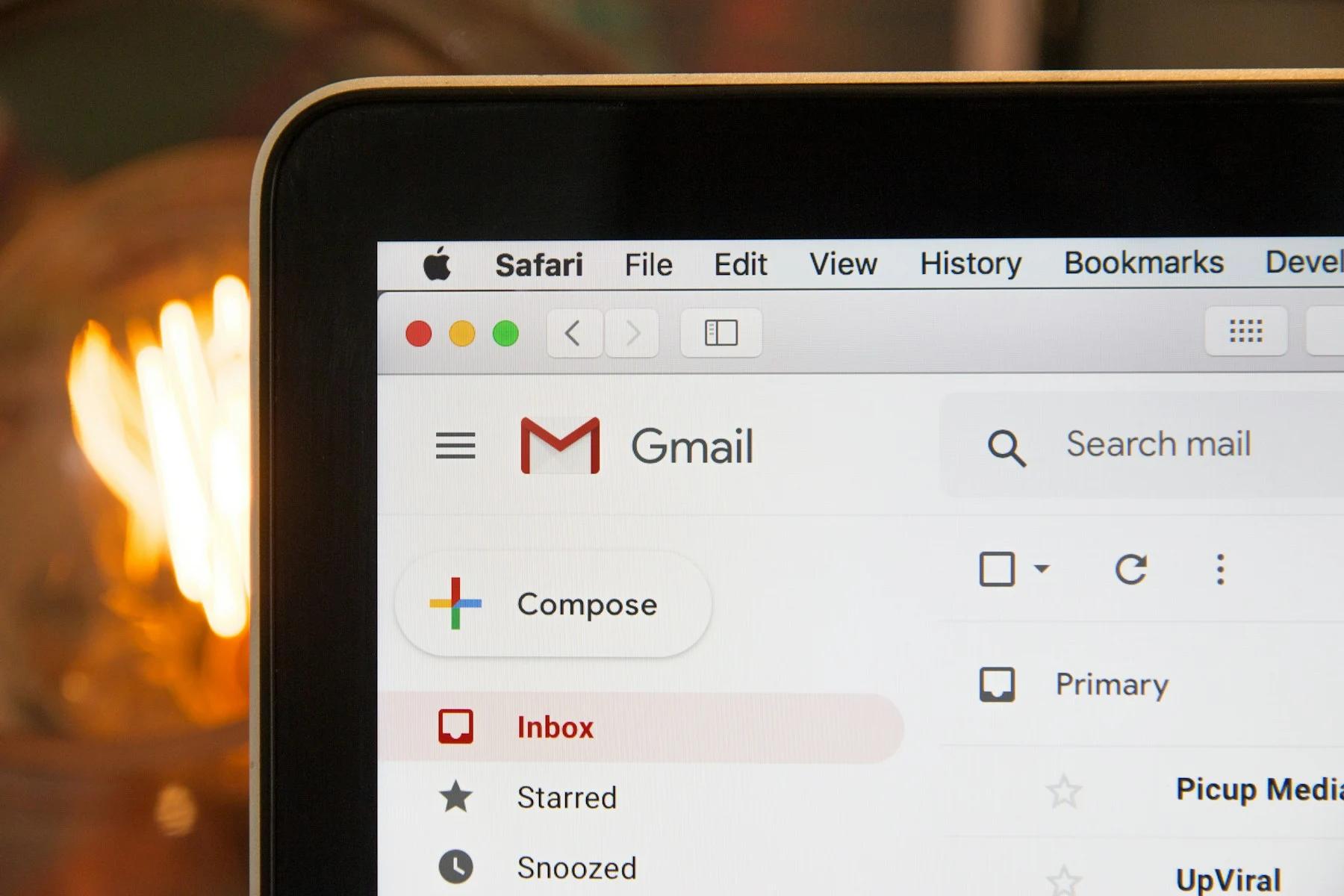
Main photo: Stephen Phillips - Hostreviews.co.uk. Laptop showing an email inbox. Illustrative photograph; does not depict a cited academy, product, or Let’s Roll writer.
The takeaway
A gym newsletter earns attention by helping readers make concrete decisions. Put the date and changed fact first, link to the authoritative source, and make the next action clear. News and personality can follow without hiding the information people came for.
Keep optional promotions, personal stories, and service notices within understandable arrangements. A good email does not need to sound like a campaign. It needs to leave a member knowing what is happening, whether it affects them, and where to ask the remaining question.
Find a class with clear arrangements
Use the gym directory to compare local options, then ask the academy where it publishes its current schedule and updates.
FAQ
What should a BJJ gym newsletter include first? Lead with changed dates, class arrangements, deadlines, or actions that affect attendance. Put the location beside the notice when more than one branch is involved.
Should a newsletter replace the live timetable? It should point readers to the academy's authoritative current information. A message can describe a change, but an old email should not become the only way to reconstruct the schedule.
Can a gym publish member photos in its emails? Use the academy's actual permission process and clarify the proposed audience and use. Attendance or a friendly conversation does not automatically establish agreement to every promotional publication.
How should members handle urgent class questions? Use the contact or current-notice channel the academy designates. A newsletter may not be immediate, and a general marketing reply address may not be the route responsible for a booking decision.

Kit Langford
Kit Langford covers the louder parts of jiu-jitsu — the marketing claims, the arguments, the gear that promises more than gear can deliver. The jokes are expected to survive a fact-check.
Related Posts

The winter BJJ commute has to work after class, too
Plan winter BJJ travel around current conditions, the return trip, changing time, and dry kit. A class running does not settle whether you should travel.
BJJ changing rooms: ask about the part after class
Check BJJ changing and shower arrangements before planning work, travel, or a first visit around them. Keep privacy and the full visit in view.

A BJJ gift card should leave the recipient a real choice
Check the store, currency, delivery, restrictions, and likely extra spending before choosing a BJJ gift card. Avoid turning a present into another bill.
Comments (0)
Loading comments...