
How to Prevent Ringworm and Staph in BJJ (Mat Hygiene Guide)
Quick answer: Prevent skin infections in BJJ by showering immediately after every session, washing your gi and rashguard after every use, covering any open cuts, not walking barefoot off the mat, and training at gyms that clean their mats daily. Catch issues early: if you see a ring-shaped rash or a hot, swollen red spot, stop training and see a doctor.
BJJ is a close-contact sport, which means skin-to-skin and skin-to-mat contact all class long. That makes hygiene a real part of training, not an afterthought. The good news: skin infections like ringworm and staph are very preventable with a few simple habits. Here's the complete guide.
The main infections to know
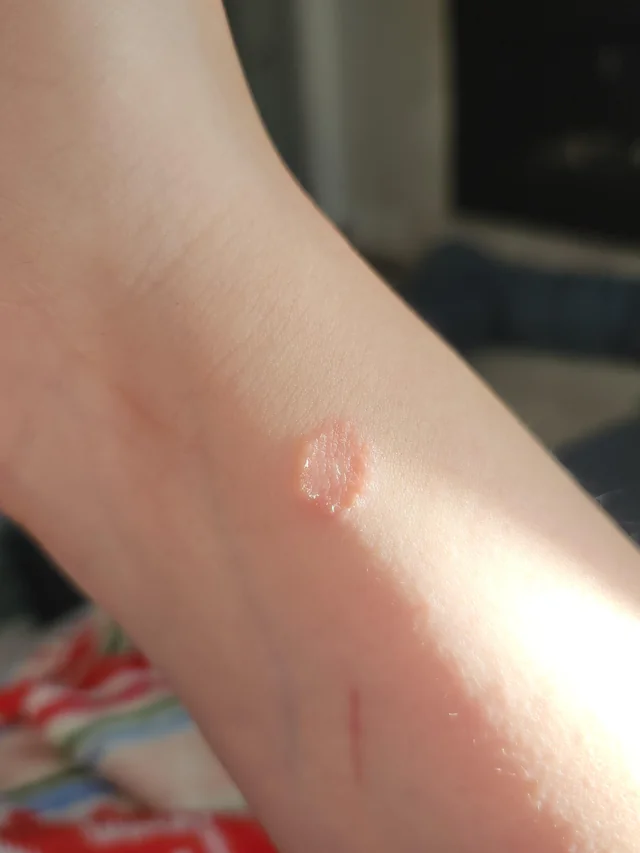
Ringworm — a fungal infection (not a worm) that shows up as a red, ring-shaped, sometimes itchy patch. It's common in grappling and very treatable.
Staph / MRSA — bacterial infections that can look like a spreading red area, a hot swollen bump, or a pimple-like sore that worsens. These are more serious and need prompt medical care.
Impetigo and herpes gladiatorum also circulate in grappling gyms. The prevention habits are the same.
Shower immediately after training
This is the single most important habit. Shower as soon as possible after every session — ideally within an hour — with soap, paying attention to your whole body. The longer bacteria and fungus sit on your skin, the more chance they have to take hold. Many grapplers use an antibacterial or antifungal soap as extra insurance.
Wash your gear every single time
Your gi, rashguard, shorts, and spats hold sweat and microbes from everyone you trained with. Wash them after every use — never re-wear a "only trained once" gi. Cold water and air-drying keep your gi in shape; see our full guide on how to wash a BJJ gi. Don't forget to wipe down knee pads, ear guards, and your gym bag periodically too.
Cover cuts and protect your skin
Open cuts and scrapes are entry points for infection. Cover any broken skin with a waterproof bandage before training, and if a cut is large or won't stay covered, sit out until it heals. Keeping your skin moisturized (not cracked) also helps your natural barrier do its job.
Don't spread it around the gym
Never walk barefoot off the mat — wear slides to the bathroom and back. Bare feet carry bacteria onto the mat and bring it back to you.
No shoes on the mat, ever — they track in everything from outside.
Don't train sick or with an active skin issue. Staying home protects everyone, and a good gym will thank you for it.
Choose a clean gym
You can do everything right and still be at risk if the mats are filthy. A quality gym mops and disinfects its mats daily, smells clean, and has a culture where people shower and wash gear. Mat cleanliness is one of the biggest things to check when choosing a gym — sticky or smelly mats are a real red flag.
Catch problems early
Check your skin regularly. If you spot a ring-shaped rash, a hot and swollen red area, or a sore that's spreading or won't heal, stop training and see a doctor or pharmacist promptly. Early treatment is quick and easy; ignoring it risks a worse infection and spreading it to your teammates. Don't train again until a professional clears you.
The takeaway
Skin infections are a manageable part of grappling, not a reason to avoid the sport. Shower right after class, wash your gear every time, cover cuts, keep bare feet off the mat, train at a clean gym, and act fast if something looks off. Those simple habits keep you — and everyone you roll with — healthy.
Your simple post-training checklist
Build a routine you do every single session and infections become rare. Right after class: change out of your sweaty gear immediately, shower with soap within the hour, and check your skin for anything new. At home: wash your gi, rashguard, and shorts; let them dry fully; and re-cover any healing cuts. Weekly: wipe down your gym bag, ear guards, and knee pads, which quietly harbor bacteria. None of this takes more than a few minutes, and it's the difference between training year-round and losing weeks to an infection you could have avoided.
Train somewhere clean
Find a BJJ gym near you on Let's Roll → — mat hygiene is one of the most important things to look for when picking where to train.
FAQ
How do you prevent ringworm in BJJ? Shower immediately after training, wash your gi and rashguard after every session, cover cuts, don't walk barefoot off the mat, and train at gyms that clean their mats daily.
What does ringworm look like? A red, often ring-shaped, sometimes itchy patch on the skin. It's a fungal infection (not a worm) and is treatable — stop training and see a pharmacist or doctor if you spot one.
Can I train BJJ with a skin infection? No. Training with an active infection spreads it to your teammates and worsens yours. Sit out and get it treated and cleared before returning.
Is staph common in BJJ? It can circulate in grappling gyms, but good hygiene and clean mats make it uncommon. Treat any hot, swollen, spreading red area as urgent and see a doctor.
Related Posts

Mikey Musumeci gives up the belt to make room for MMA
Musumeci is vacating his UFC BJJ title to focus on MMA training. What he is leaving, what continues, and why the transition matters.

IBJJF membership: finish the paperwork before the deadline
IBJJF membership and tournament entry are separate steps. Plan documents, professor approval, renewals, and junior accounts before registration closes.
Choosing a BJJ seminar worth your time and travel
Choose a BJJ seminar by the subject, teaching format, access, and total cost. Know what to ask the host before buying a ticket.
Comments (0)
Loading comments...