
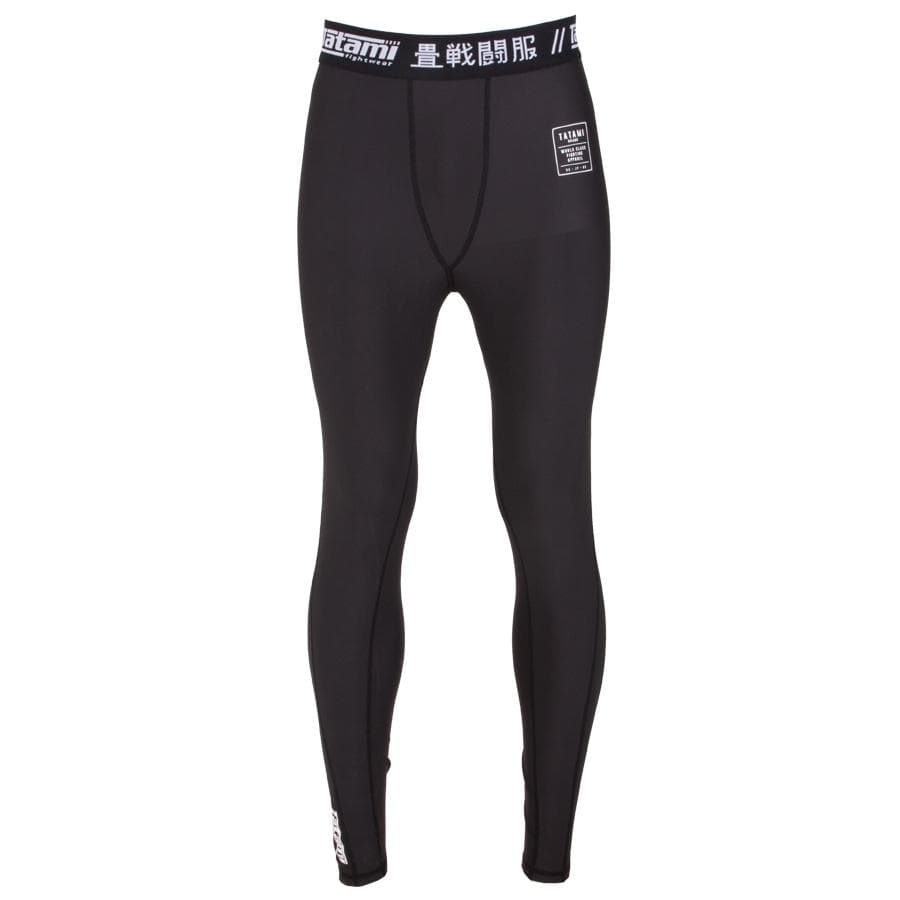
Spats under BJJ shorts: fit, rules, and personal preference
Quick answer: Wearing spats under BJJ shorts is a clothing choice, subject to your academy's policy and your competition's rules. Check the two layers together for movement, coverage, and a waistband that stays put. Buy for the class you attend, then check the separate requirements before entering a tournament.
Two waistbands can be one too many. A pair of spats that feels fine alone can become the bottom half of an irritating outfit once shorts join the meeting.
That is a more useful starting point than arguing about the correct grappling look. Your clothes need to fit your body, suit the room, and let you train without repeatedly negotiating with your trousers. There is no prize for choosing the outfit that wins an internet poll.
This guide concerns ordinary clothing decisions, not medical or performance promises. The linked product guidance and competition information were checked on October 10, 2026, as an update to this guide's March publication date.
Ask the gym before buying a second layer
A short message to the academy can prevent an unnecessary purchase. Ask what is required for a beginner attending its no-gi class. Be specific: are shorts required over full-length spats, and are there any restrictions on colors or fastenings? If you already own training clothes, describe them rather than asking for an entire shopping list.
An instructor's answer about that academy settles the local question. It does not establish a universal custom for every jiu-jitsu room. You may visit another gym that handles clothing differently, so pack with the actual destination in mind. Permission at home does not travel automatically with your belt.
Avoid buying several identical outfits before your first lesson. One suitable set lets you discover whether you like a high waistband, a longer short, or less fabric around the knee. Those preferences become easier to identify after moving in the clothes rather than inspecting a photograph.
For a visit, confirm attire at the same time as the session and drop-in arrangements. The gym directory can help you find a contact; the gym supplies the final answer. A clear reply is worth more than a comment from somebody who trained somewhere else five years ago.
Test the outfit in positions, not just in the mirror
Standing still is a fairly forgiving clothing test. Jiu-jitsu is less cooperative. Before removing tags, follow the seller's fitting and return conditions and try ordinary, clean movements at home. Sit, bend your knees, and check whether the waistband folds or the layers pull against one another. You do not need a living-room takedown trial.
Use the same shorts you plan to wear to class. An excellent fit under one pair says little about another pair with a lower waist or tighter leg opening. The interaction between garments is the thing you are testing.
A useful check covers a few unglamorous details:
The waist stays in place when you sit and stand.
Fabric does not gather into an uncomfortable ridge behind the knee.
Coverage remains acceptable to you as the material stretches.
Neither layer needs constant pulling to restore its position.
If something feels wrong immediately, do not assume a month of training will persuade it to fit. Check the size chart and ask the seller about the specific problem. Buying a smaller size simply to increase compression can exchange one annoyance for another.
The goal is clothing you can largely forget once the session starts. A striking pattern cannot negotiate extra space at the waistband.
Shorts add coverage, but they also add fabric
Some people prefer the extra coverage of shorts. Others dislike the second waistband or the added material around their hips. Neither preference requires a speech about commitment to the sport. Clothing comfort is personal, and the academy's policy provides the boundary within which you choose.
When trying a combination, notice the shorts as carefully as the spats. A loose outer layer may shift even when the garment underneath stays in place. A tight outer layer may pull when you sit with your knees apart. Fixing the wrong layer can turn an ordinary sizing problem into an expensive search for new leggings.
Check pockets and closures, too. Ask the coach whether the particular shorts are appropriate for grappling. An everyday pair that looks similar in a photograph may have details you would not want caught against a training partner. Do not treat the word athletic on a shop label as a complete equipment inspection.
There is also a packing consequence. Two layers mean two items to wash and dry. If you train on consecutive evenings, buy with that routine in mind. A simpler outfit that meets the gym's requirements may suit you better than a preferred combination that is perpetually hanging over a chair.
You can like the look of spats and shorts. You just need the rest of the arrangement to work as well.
Tournament rules are a separate purchase decision
Your ordinary training outfit and your competition outfit may be different. The IBJJF uniform page distinguishes men's and women's no-gi requirements. Its listed options and restrictions are specific, including colors and details of shorts. Read the section applying to your division, then check the event's current instructions before spending money.
Do not infer that a product is accepted everywhere because a retailer calls it competition wear. Nor should you assume that a photograph of an athlete proves approval for your event. It may show another organizer, another division, or a training session.
If the wording leaves you unsure about full-length spats under shorts, send the organizer the exact product and your division. Ask a narrow question. A vague inquiry about leggings invites an answer that may refer to a different garment or category.
Keep that answer with your registration details and bring an appropriate backup if you have one. The point is to resolve uncertainty before the uniform check, when there is still time to choose something else.
No outfit in this article is being certified for your tournament. The rulebook and organizer decide eligibility. That distinction is less exciting than an all-purpose shopping recommendation, but it is considerably more useful when you have already paid to compete.
Read the care label before the first wash
Laundry instructions are part of the purchase. As one concrete example, Tatami's Nova Spats product page specifies a cold 30-degree wash and hang drying. That is guidance for that product, not a temperature rule for every garment called spats.
Look at the actual label on your pair. If it conflicts with a general internet tip, ask the manufacturer rather than experimenting on a new purchase. Save the product page or care information somewhere you can find it after the packaging disappears.
Consider how the item fits your household routine. If everybody's clothing normally goes into the dryer, a hang-dry garment needs an obvious separate place. A small laundry bag or designated hook may be more useful than good intentions announced on purchase day.
Wash training clothing after use and let it dry fully before packing it again. Do not make the gym bag its permanent home between sessions. If the care requirements are inconvenient, account for that before buying another pair of the same thing.
The limited-edition gi discussion makes a related point: a desirable piece of kit still enters ordinary domestic life. Spats receive fewer ceremonial photographs, but the laundry remains real.
A first pair does not need a technical manifesto
Beginners can reasonably start with fit, permitted construction, and a price they are comfortable paying. You do not have to build a theory of athletic performance around the purchase. Marketing language about compression is not a personal reason to buy unless it addresses something you actually want from the garment.
Write down the problem you are trying to solve. Perhaps you prefer more leg coverage, dislike the way your current shorts feel, or want a spare set for back-to-back classes. Those are clear reasons. They also give you a way to judge whether the new pair did its job.
Avoid changing everything at once. If you replace shorts, spats, and underwear simultaneously, it becomes harder to identify which item caused a new fit problem. Try the combination thoughtfully and adjust the part that needs changing.
Keep expectations proportionate. Clothing cannot choose a better training partner, teach guard retention, or make a difficult class less difficult. Its successful contribution may be that you finish a round without thinking about it once.
That is enough. Equipment does not need to transform your jiu-jitsu to deserve a place in the bag. It needs to justify the money, space, and washing it requires.
Recheck the fit after the outfit becomes familiar
A garment can fade into the routine long after it stops fitting the routine well. Every so often, inspect seams, the waistband, and any area that catches or needs adjustment. Do it before packing for class, when you can choose another item without rushing.
If you keep tugging at the same spot, identify whether the problem belongs to the spats or the shorts. You may not need to replace both. If a seam is damaged, ask the manufacturer about repair or replacement options; do not assume a quick home alteration will leave suitable clothing for contact training.
Also revisit the combination when your schedule changes. A single weekly class and several sessions on consecutive days create different laundry demands. A second dependable set may be useful. A drawer of untested alternatives may simply make choosing harder.
Give yourself permission to settle on something plain. Personal preference can be as simple as liking one waistband and disliking another. Once the clothes meet the room's requirements and let you move comfortably, further debate is optional.
The next practical step is packing a clean set. The shorts-over-spats argument will still be available online when you return.
Main photo: Tatami Fightwear; Nova Spats product photograph.
The takeaway
Choose spats and shorts as a combination, check the academy's policy, and test the fit in ordinary movement before committing to the purchase. Keep tournament eligibility separate from everyday training preferences, and confirm unclear rules with the organizer.
A good outfit does not require much attention during class. Buy something you can wear comfortably, wash as directed, and have ready for the next session. After that, you have more interesting things to learn than how often your waistband needs rescuing.
Find a session and confirm the dress code
Browse open mats, then ask the host what to wear before you pack.
FAQ
Do I have to wear shorts over BJJ spats? Ask your academy. Local training policies vary, and competition requirements are a separate matter. Do not assume another gym's answer applies to yours.
Should spats feel extremely tight? Follow the maker's sizing guidance and check comfortable movement. A garment that constantly pulls, rolls, or needs adjusting deserves another look at the fit rather than an assumption that tighter is better.
Can I compete in the same spats I train in? Only if the outfit meets the current rules for your event and division. Check the exact garment, colors, and layering arrangement with the organizer if anything is unclear.
How should I wash BJJ spats? Follow the care label for that particular product, wash after training, and dry fully before repacking. Do not treat one brand's instructions as a universal rule for every fabric.

Kit Langford
Kit Langford covers the louder parts of jiu-jitsu — the marketing claims, the arguments, the gear that promises more than gear can deliver. The jokes are expected to survive a fact-check.
Related Posts

Mikey Musumeci gives up the belt to make room for MMA
Musumeci is vacating his UFC BJJ title to focus on MMA training. What he is leaving, what continues, and why the transition matters.
IBJJF membership: finish the paperwork before the deadline
IBJJF membership and tournament entry are separate steps. Plan documents, professor approval, renewals, and junior accounts before registration closes.
Choosing a BJJ seminar worth your time and travel
Choose a BJJ seminar by the subject, teaching format, access, and total cost. Know what to ask the host before buying a ticket.
Comments (0)
Loading comments...