
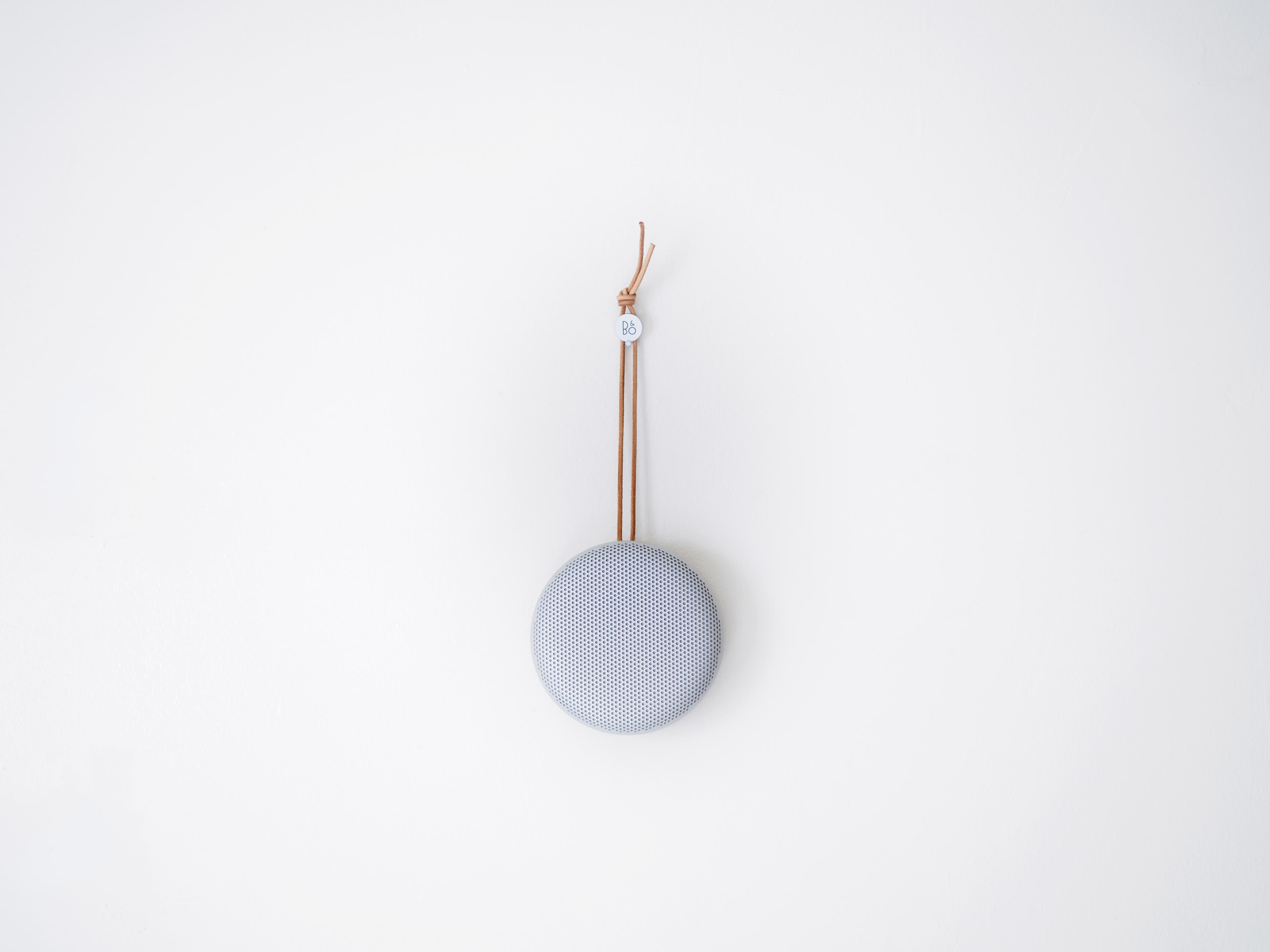
The open-mat playlist has one job
Quick answer: A good open-mat playlist supports the room without taking it over. Keep the volume low enough for people to communicate, let the host set the tone, and agree on how requests work before everyone reaches for the controls. Musical taste can vary; basic consideration should not.
Possession of the speaker is a surprisingly large promotion. One minute you are a regular member tying your belt. The next, twenty people are discovering what you listened to during a difficult summer in 2009.
That power is best used lightly. An open mat needs music that can sit beside different kinds of training: hard rounds, quiet drilling, a conversation at the edge. The playlist is allowed to have a personality. It does not need to make everybody else adopt it.
The timer should win every argument
Before discussing genre, check whether people can hear the end of the round. This is a practical test, not an invitation to stand beside the speaker and explain that the bass sounds much better from there.
Ask someone at the far side of the mat whether the signal is clear. Check again once the room fills and people begin moving. The setup that seemed reasonable in an empty academy may need adjustment when the session is underway.
The same applies to ordinary speech. A partner should be able to ask for a reset or say they want to stop without competing with the chorus. If the music makes that difficult, turn it down. Nobody has to defend their preferred volume with a theory about training intensity.
Put the controls somewhere the host can reach without walking through live rounds. A playlist is easier to manage when changing the volume does not require a small expedition between two people wrestling near the wall. The speaker's location should serve the session too, with equipment and cables kept out of the training area.
Match the room before defending the genre
An early Sunday session and a crowded competition practice may want different music. So may an adults-only open mat and a session where families are watching nearby. Start with the people who are actually present.
That does not mean taking a formal vote on every track. Ask the host what kind of atmosphere they want, then work within it. If they prefer background music, accept that instruction as readily as you would accept a change to the round length.
A broad instrumental selection can be an easy starting point when you do not know the group. So can familiar songs at a modest volume. Neither is a universal winner. The useful feature is that the choice leaves room for people who came to train rather than attend a listening party.
Avoid treating disagreement as a character assessment. Someone who does not want metal at ten in the morning has not revealed a weakness in their guard. Someone who enjoys it has not automatically requested a harder round. Musical preference supplies very little reliable scouting information about a training partner.
Requests need somewhere to go
A shared room can accommodate requests without making the queue a free-for-all. Ask people to suggest a few songs before the session, or let the host collect requests between rounds. Choose one person to manage what actually plays.
A simple arrangement might look like this:
The host sets the volume and any content limits.
Each person can suggest a small number of tracks.
One person maintains the queue during the session.
Changes happen between rounds unless the music needs to stop immediately.
That leaves plenty of room for variety. It also prevents the peculiar situation in which six people are politely waiting for a round while a seventh is urgently protecting their place in the playlist.
Do not skip somebody's request after twelve seconds merely because you have recognized the artist. If the track fits the agreed rules, let the host decide whether it stays. Shared music requires tolerating some songs you would never choose for yourself. The same room probably contains several guard passes you would prefer not to experience either, but the music issue is easier to resolve.
The opening twenty minutes do not need a grand entrance
People arrive at different times. Some are stretching, some are catching up, and someone may still be deciding whether to start with drilling. A playlist that begins at full dramatic intensity can feel as though the warmup has already missed its cue.
Give the session somewhere to go. Start with a selection that can sit in the background, then adjust if the host wants more energy once rounds are underway. There is no need to engineer a precise emotional arc for every person in the room.
The same restraint helps toward the end. If most people have stopped rolling and are talking, reduce the volume. A conversation about next week's timetable should not require the participants to gather around each other's ears.
Think in useful stretches rather than individual triumphs. A run of songs that works reasonably well for half an hour is more useful than one perfect track followed by constant searching. The person responsible for the music should still be able to train. If maintaining the queue requires sitting out every other round, the arrangement has become a second hobby.
Check the version before pressing play
A song title does not tell you everything about a recording. A live version may begin with a long introduction. A remix may change the pace considerably. A track remembered as suitable may contain lyrics you have not thought about since school.
Listen to the actual selection beforehand if you are responsible for it. That is especially useful when the host has asked for clean music or when younger members and families will be around. An explicit-content label is a helpful cue, but it is not a substitute for knowing what you have chosen.
Avoid surprise comedy tracks. A joke that was excellent in the group chat can become quite long when the entire room is waiting for it to finish. If the humor requires explaining which teammate it is about, it probably belongs back in the conversation rather than on the speaker.
And separate personal listening from the gym's music setup. Use the playback arrangement the owner has approved. This article is about choosing and sharing music; it is not a recommendation to connect a personal subscription or change the academy's accounts and equipment without asking.
Silence is an available setting
An open mat does not become incomplete when the music stops. The host may want to explain something, a pair may need assistance, or the room may simply prefer a quieter session that day.
Pause promptly when asked. There is no need to wait for the end of a favorite verse or explain how close the track is to its best part. Training is the appointment everyone made. The soundtrack can survive an interruption.
A quiet session can also be a useful default when nobody wants the responsibility of choosing. It removes an administrative task and lets people get on with the rounds. That is a reasonable outcome, not a failure to create atmosphere.
If one person is uncomfortable with the volume, take the request seriously rather than asking them to prove they are uncomfortable enough. The host can decide how to adjust the room. A small reduction is often a much simpler response than a discussion in which the person has to explain themselves to several strangers.
Let the playlist acquire a few regulars
There is room for a recurring song or a familiar stretch of music. Repetition can give a session some continuity without requiring an official anthem. The best candidates are the songs people are still happy to hear after the novelty has gone.
Keep those favorites, then change the surrounding material occasionally. A playlist does not need a complete rebuild every week. Nor does it need to preserve every song that happened to be added when the gym first bought a speaker.
If you visit another academy, leave its controls alone. Ask the host before connecting a device or changing a track. An open mat is an invitation to train in someone else's room, and music is part of how that room is run. A guest can enjoy a different atmosphere without attempting to improve it immediately.
Afterward, share a playlist link privately if somebody asks for it. That is a much better sign than a room full of people learning your musical preferences by force. It means at least one person liked the soundtrack enough to take it home, where they can set the volume themselves.
Main photo: Marius Masalar / Unsplash, via Wikimedia Commons; CC0 public-domain dedication (2016).jpg).
The takeaway
Choose music that leaves the session easy to run. People should hear the timer, speak to their partners, and make a reasonable request without becoming part of a debate. The host decides what suits the room.
Beyond that, there is plenty of freedom. Mix genres, keep a few favorites, and accept the occasional song that does nothing for you. You came for rounds. A merely decent chorus is unlikely to ruin them.
Find an open mat near you
Browse local open mats, confirm the session details with the host, and bring the gear they ask for.
FAQ
What is the best genre for BJJ open mat? There is no single answer. Start with the host's preference, the people attending, and a volume that allows clear communication. The room matters more than a genre label.
Should everyone be able to change the music? Requests can be shared, but one person managing the queue keeps the session simpler. Agree on the arrangement with the host before training begins.
Is it rude to ask for the volume to come down? No. Make a straightforward request to the host. Hearing instructions and communicating with a partner are reasonable priorities.
Can an open mat run without music? Yes. A quiet session is a perfectly workable option, especially if nobody wants to choose music or the host prefers it that way.

Kit Langford
Kit Langford covers the louder parts of jiu-jitsu — the marketing claims, the arguments, the gear that promises more than gear can deliver. The jokes are expected to survive a fact-check.
Related Posts

Mikey Musumeci gives up the belt to make room for MMA
Musumeci is vacating his UFC BJJ title to focus on MMA training. What he is leaving, what continues, and why the transition matters.
IBJJF membership: finish the paperwork before the deadline
IBJJF membership and tournament entry are separate steps. Plan documents, professor approval, renewals, and junior accounts before registration closes.
Choosing a BJJ seminar worth your time and travel
Choose a BJJ seminar by the subject, teaching format, access, and total cost. Know what to ask the host before buying a ticket.
Comments (0)
Loading comments...