
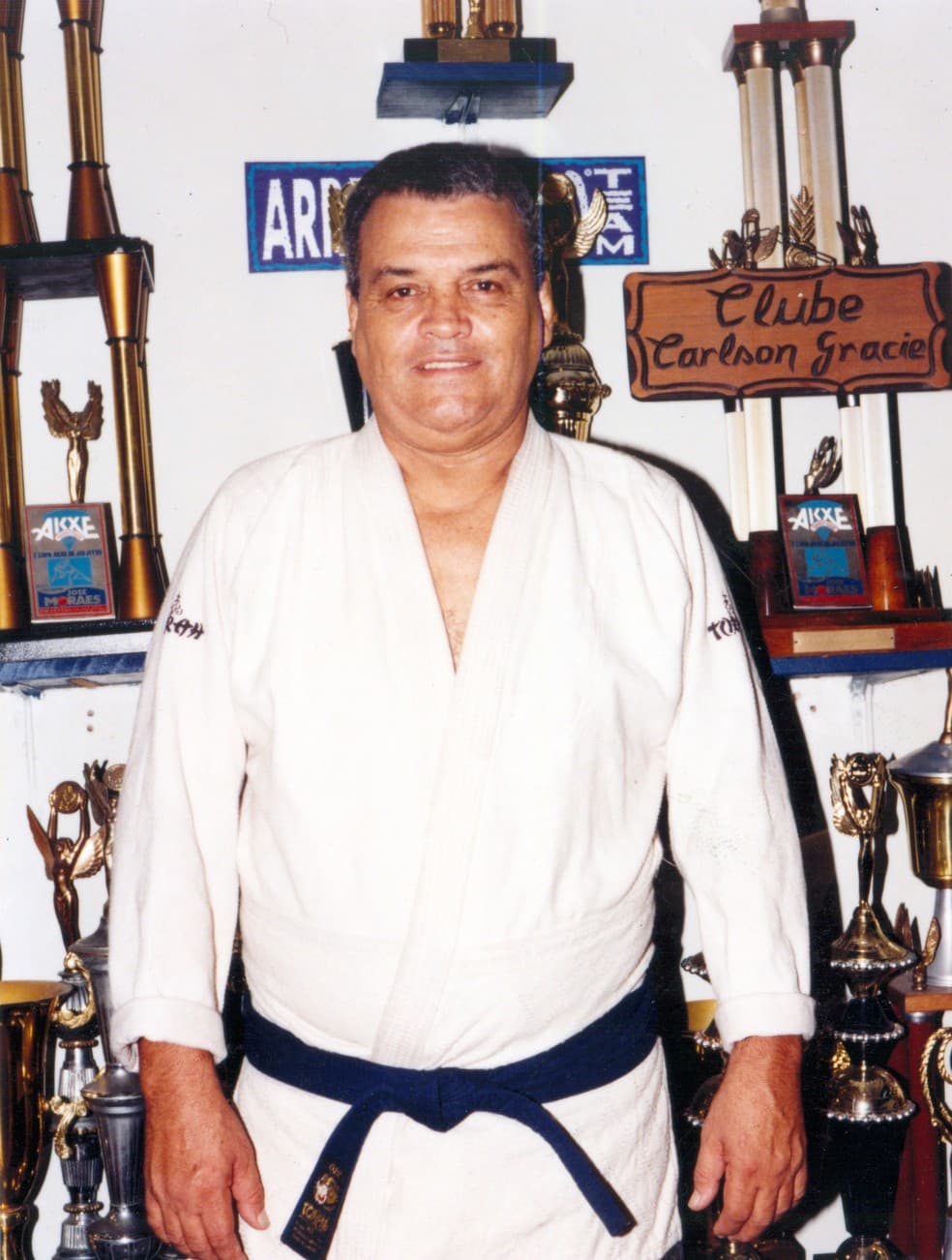
Carlson Gracie’s name still points toward the team
Quick answer: Carlson Gracie's influence extends through his own team and through students who later built careers in other major organizations. Murilo Bustamante and American Top Team coaches provide documented examples of that reach. For a student choosing an academy today, the history supplies context; the local instructor and actual classes still determine the training experience.
A team name can remain visible long after its influence has traveled elsewhere. Carlson Gracie appears on academy signs and tournament registrations, but some of the clearest evidence of his work is found under other names, in the biographies of people now teaching athletes of their own.
That makes a simple family tree inadequate. It can show who awarded a belt, but it cannot show everything that happened afterward: a competitor becoming a coach, a coach building a room, or a student adapting an earlier education to a different sport. Carlson's story becomes more interesting when those later responsibilities enter the picture.
The academy mattered beyond its address
A 2021 Combate retrospective describes Carlson's academy on Rua Figueiredo de Magalhães in Copacabana as a meeting point for successive generations of competitors. In that reporting, Murilo Bustamante recalled demanding training alongside more experienced students and Carlson's close attention to technical corrections.
The detail worth holding onto is the relationship between the teacher and the room. An instructor can explain a position; experienced partners supply repeated problems through which the explanation has to work. A successful academy needs both. The account gives Carlson a role more specific than the familiar label of tough coach.
Bustamante also described Carlson adjusting his teaching to the athlete's strengths, including whether a student was more effective playing guard or working from the top. That recollection complicates the idea that an entire lineage can be reduced to one compulsory style.
It is a former student's account, not a complete transcript of daily life at the academy. Even so, it offers something a trophy list cannot: a description of how individual development and the surrounding team could reinforce each other.
Bustamante carried that education into another arena
The UFC identifies Murilo Bustamante as a Carlson Gracie black belt and records his 2002 victory over Dave Menne for the middleweight championship. His career makes the connection between jiu-jitsu education and professional MMA concrete rather than abstract.
That connection should not erase the other work required to compete in MMA. An athlete entering a sport with strikes must make decisions that differ from those in a gi tournament. The relevant point is that Bustamante's documented grappling background formed part of the career that followed, not that one teacher can be credited with every later skill.
Watching a former student succeed elsewhere also changes how an academy's influence can be measured. The result may no longer appear beside the original team's name. It still belongs in an account of the people the academy helped develop.
There is a limit to this reasoning. Shared instruction does not mean identical technique, temperament, or later coaching methods. Bustamante deserves to be considered as an athlete with his own decisions and work. Carlson's importance becomes clearer when that independence is preserved rather than absorbed into a single origin story.
The coaching connection is still easy to trace
American Top Team's coaching page identifies Marcus “Conan” Silveira and Marcos “Parrumpinha” DaMatta as black belts under Carlson Gracie. The page places them within a professional coaching staff that also includes specialists from other disciplines.
That is a useful picture of how knowledge travels. A training background enters a larger staff, where it has to interact with other expertise and with the needs of different athletes. The original connection remains visible without requiring the new organization to reproduce the old academy in every detail.
Silveira's own account of his career traces his move from training in Rio to establishing an academy in Miami Beach and later helping found American Top Team. Those are substantial changes of setting and responsibility. Teaching a student in one room and helping organize a professional team are related tasks, but they are not interchangeable.
The continuity is therefore more interesting than a repeated logo. It is a chain of people taking what they learned into new work. Some of that work remains close to sport jiu-jitsu. Some belongs to a broader MMA environment with different problems to solve.
A 2014 celebration made the connection explicit
After Robbie Lawler won the UFC welterweight title in December 2014, Combate reported on American Top Team figures celebrating the result and dedicating it to Carlson. The report brought together former students working with champions in different camps.
That moment matters because it is an expressed connection, not one imposed afterward by someone drawing a lineage chart. The participants themselves placed Carlson within their understanding of a later achievement. Their new roles had not removed the earlier teacher from the story they told about their work.
It also illustrates why team history should allow more than one kind of belonging. An athlete can represent a current organization while a coach acknowledges an earlier education. Recognizing one relationship does not require pretending the others disappeared.
For readers, this is a better route into history than searching for a single organization entitled to claim all subsequent success. Follow the actual people, the positions they held, and what they publicly said about the connection. The resulting picture is less tidy and considerably more informative.
The name remains part of active jiu-jitsu
Carlson also appears in the IBJJF Hall of Fame. That recognition sits alongside a living use of the name by academies and competitors, rather than replacing it. History is present both in formal honors and in ordinary registration forms.
The IBJJF's 2026 American National results include Carlson Gracie Team competitors. A results page cannot tell you everything about their preparation, but it does establish that the name is attached to current participation rather than only to archived photographs.
At a local level, Carlson Gracie Vilonia publishes its connection to the history while offering its own programs in Arkansas. That is one example of the distinction a prospective student should keep in view: a shared name exists alongside a particular school with its own instructors and schedule.
Do not assume that every academy in a lineage runs the same class or expects the same attendance. Ask the local staff. A meaningful historical connection and a practical explanation of today's program should be able to sit comfortably together.
Read lineage as context, then look at the class
A lineage gives you a starting point for questions. It can explain the instructor's education, the relationships a school maintains, and some of the material the team values. It cannot tell you whether a particular Tuesday evening class suits a beginner with limited time.
When considering an academy, ask about the parts you will experience directly:
Who teaches the classes you can attend.
How beginners are introduced to live practice.
Which gi and no-gi sessions are available.
How the school handles questions, partner selection, and visitor training.
Those questions are compatible with respecting the history. They make the connection useful instead of treating it as a reason to stop evaluating the present. A good answer should describe what the school actually does, rather than relying entirely on a famous name.
The guide to BJJ affiliations can help separate those layers. For Carlson's team in particular, the range of later careers is a reason to expect variation. Influence can produce capable people who work differently, not only replicas of the person who taught them.
Leave room for the people between the famous names
Public histories tend to follow the athletes whose results are easiest to document. That is understandable, but a training room also depends on partners whose names do not lead the recap. They supply rounds, repeat positions, and help newer students understand what is expected.
The accounts of Carlson's academy are worth reading with that ordinary work in mind. A famous coach needs people to practice with one another. A successful competitor needs more than a private relationship with the head instructor. The team is part of how instruction becomes usable under resistance.
That gives the history a connection to an ordinary class today. The partner who stays for another repetition, adjusts the resistance, or makes room for a newer student contributes to the room too. The successful competitor becomes the public face of work that several people helped make possible.
For a student today, that may be the most practical historical question to carry into an academy. Look at how the room works as a group. Notice whether the experienced students help make the instruction usable and whether newcomers can participate without already knowing every convention.
Main photo: Marcelo Alonso, via Combate / ge.
The takeaway
Carlson Gracie's influence is visible in a continuing team name, in formal recognition, and in students who became significant competitors and coaches elsewhere. Those connections are strongest when traced through documented careers and the accounts of the people involved.
For someone choosing where to train, the history is an invitation to ask better questions about the present. Learn who teaches, how the class operates, and what the local team offers. The name supplies a substantial past; the room still has to provide the next session.
Find the local academy behind the name
Use the gym directory to locate schools, then ask the staff about their instructors, affiliation, and current class structure.
FAQ
Was Murilo Bustamante a Carlson Gracie student? Yes. The UFC identifies Bustamante as a Carlson Gracie black belt in its account of his championship career.
Does Carlson's influence extend beyond Carlson Gracie Team? Yes. American Top Team identifies coaches with black belts under Carlson, providing a documented example of his students working within another organization.
Do all Carlson Gracie academies teach identically? Do not assume that from the affiliation alone. Ask the local academy about its instructors, class format, and approach to different experience levels.
Is the team name still used in competition? Yes. Carlson Gracie Team appears in IBJJF's 2026 American National results, alongside its use by active academies.

Miles Serrano
Miles Serrano writes about competitors and the decisions that shaped their careers. He is more interested in the adjustment someone made in the third minute than in the medal count afterward.
Related Posts
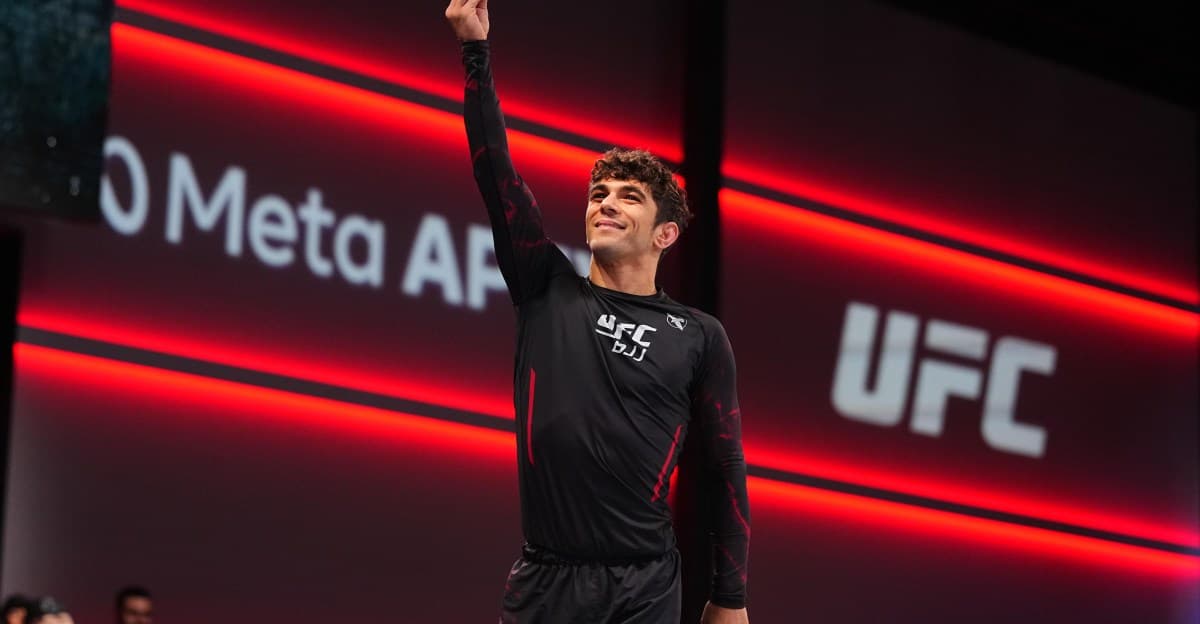
Mikey Musumeci gives up the belt to make room for MMA
Musumeci is vacating his UFC BJJ title to focus on MMA training. What he is leaving, what continues, and why the transition matters.
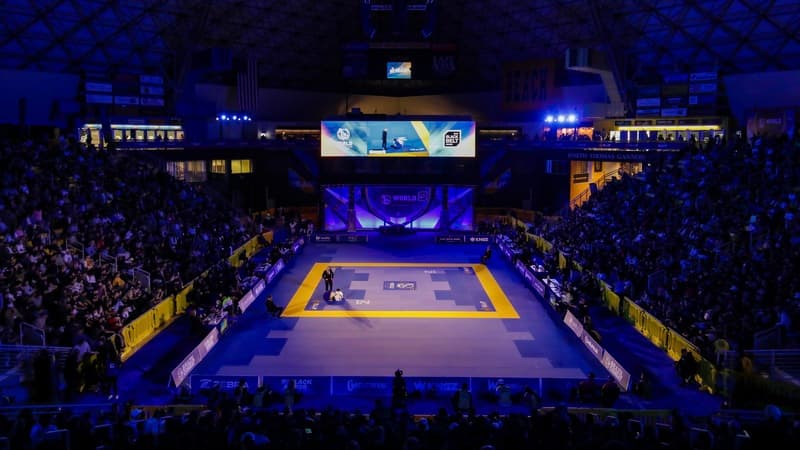
IBJJF membership: finish the paperwork before the deadline
IBJJF membership and tournament entry are separate steps. Plan documents, professor approval, renewals, and junior accounts before registration closes.
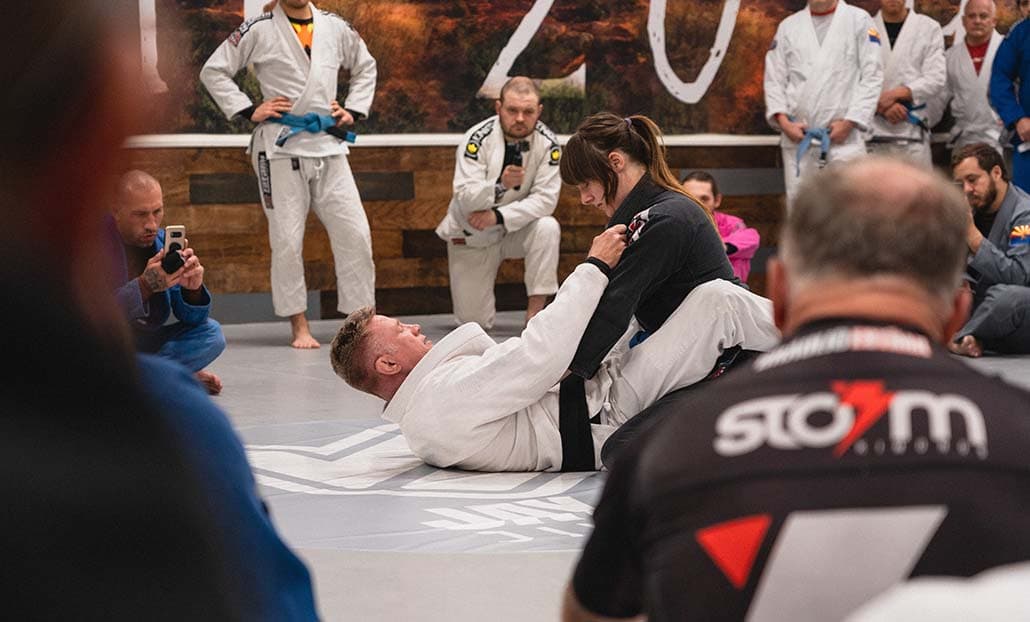
Choosing a BJJ seminar worth your time and travel
Choose a BJJ seminar by the subject, teaching format, access, and total cost. Know what to ask the host before buying a ticket.
Comments (0)
Loading comments...